
Hair Transplant In Turkey With GoodLife Atlas
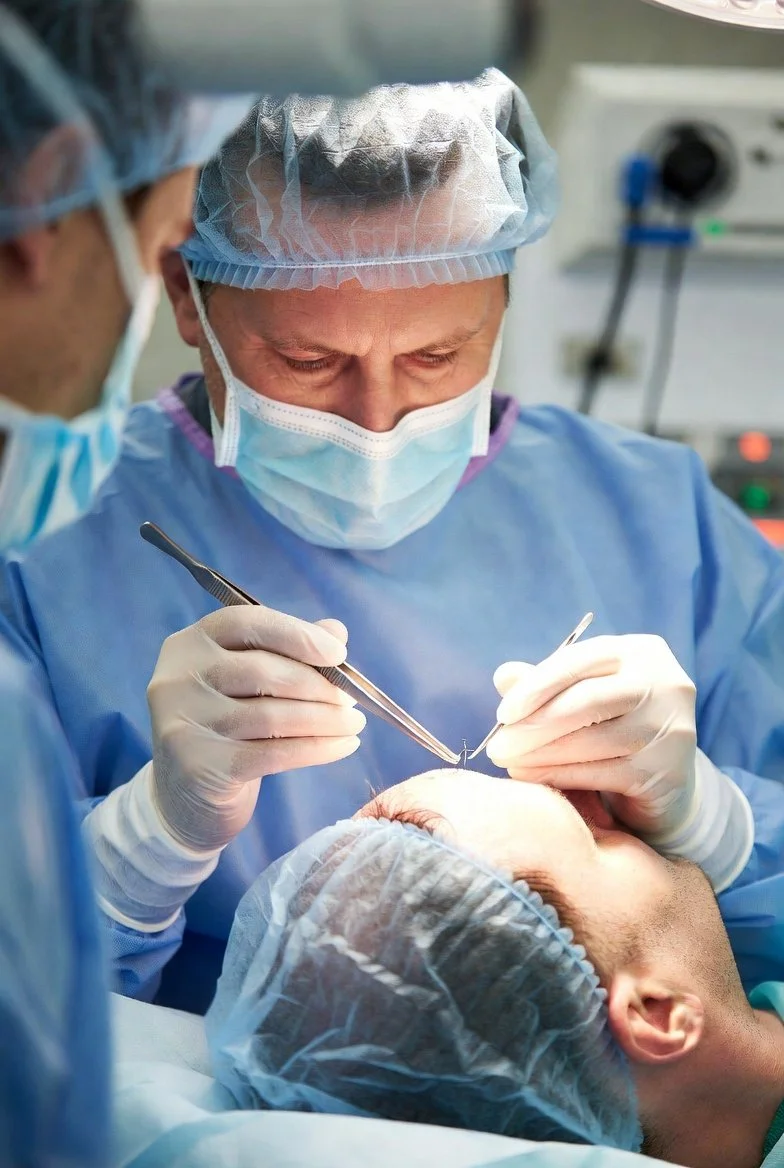
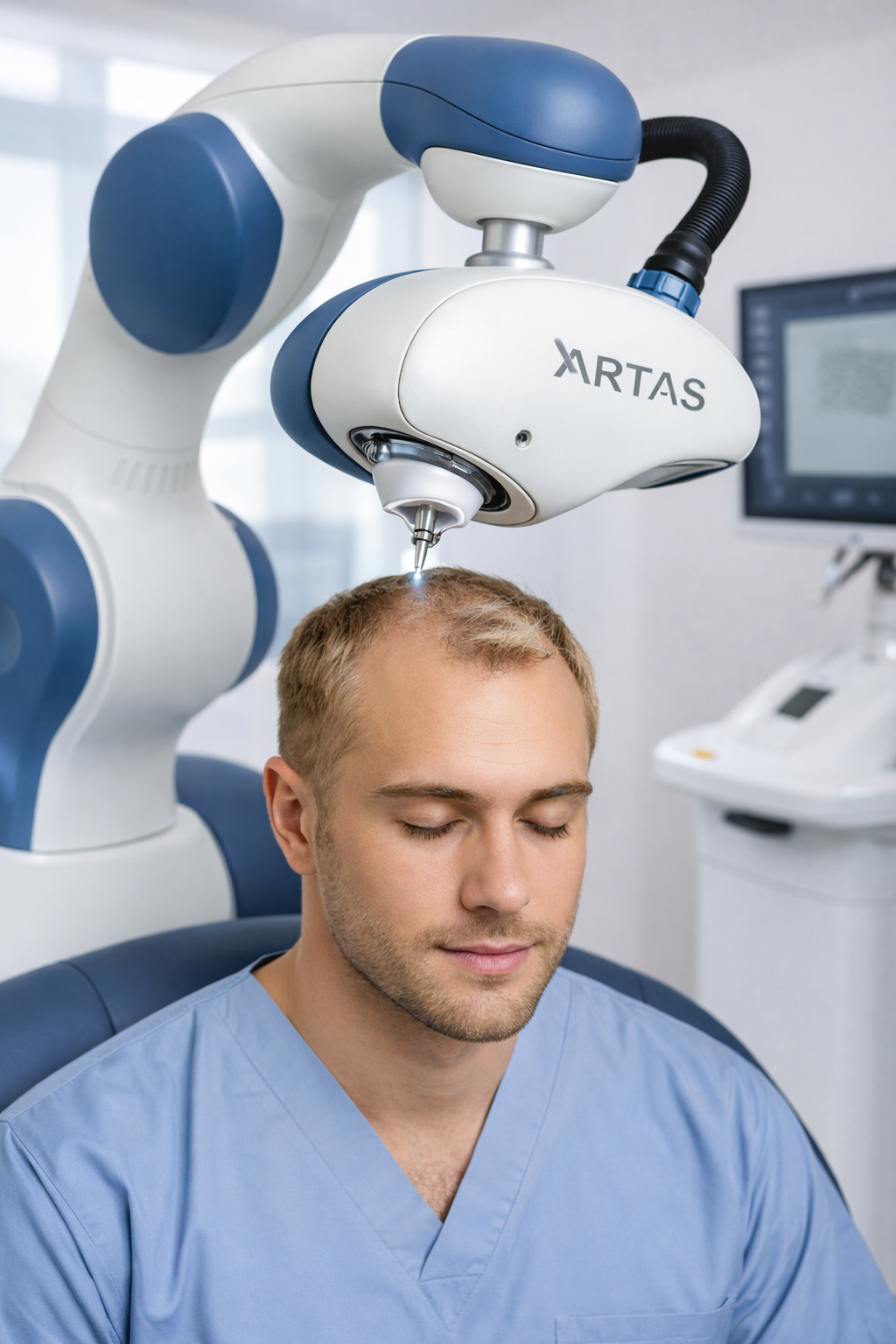
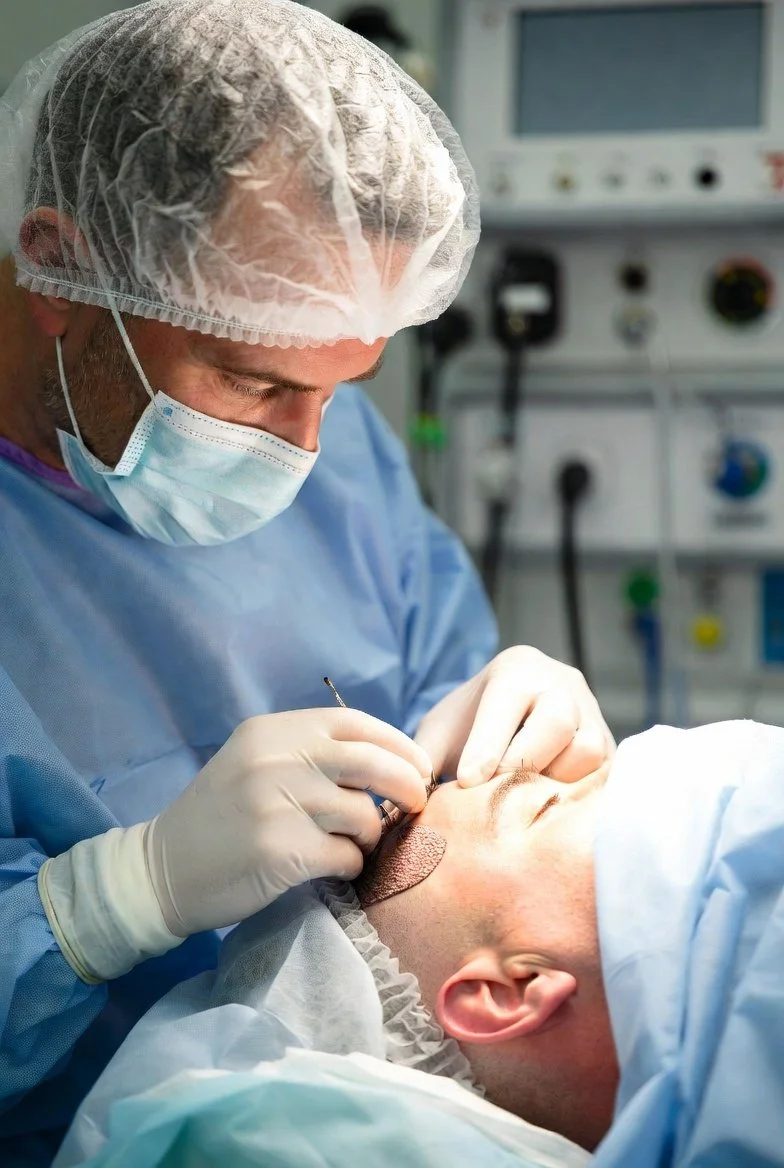
Hair loss is very common and it affects confidence for a lot of people. A modern hair transplant can restore your hairline and your self esteem in a natural way. At GoodLife Atlas we work with trusted doctors in Turkey who use the latest techniques and plan every case by hand. Our job is to help you choose the right method, the right clinic, and to make the whole trip simple and safe from start to finish.
Natural looking hairlines, no “pluggy” look
Modern methods like FUE, DHI, Sapphire FUE and more
Travel, hotel and clinic all planned together
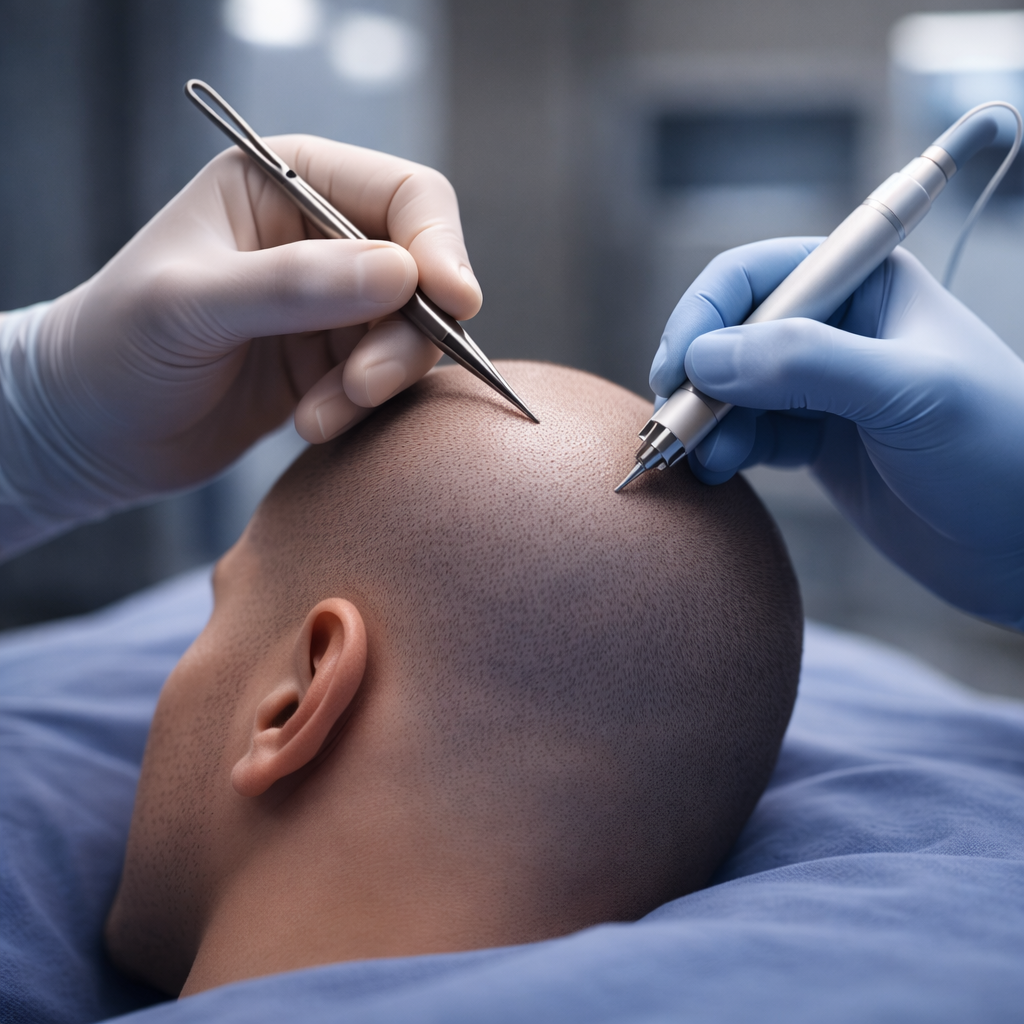
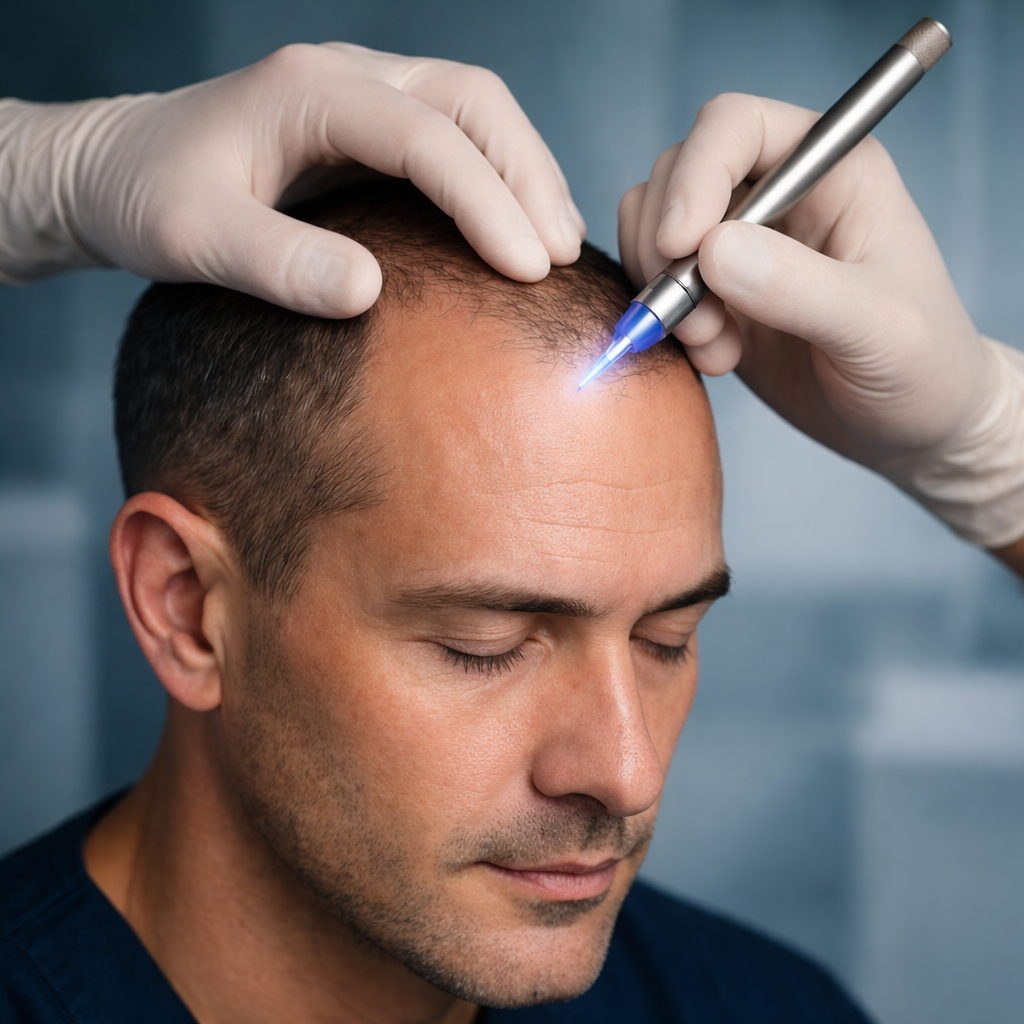
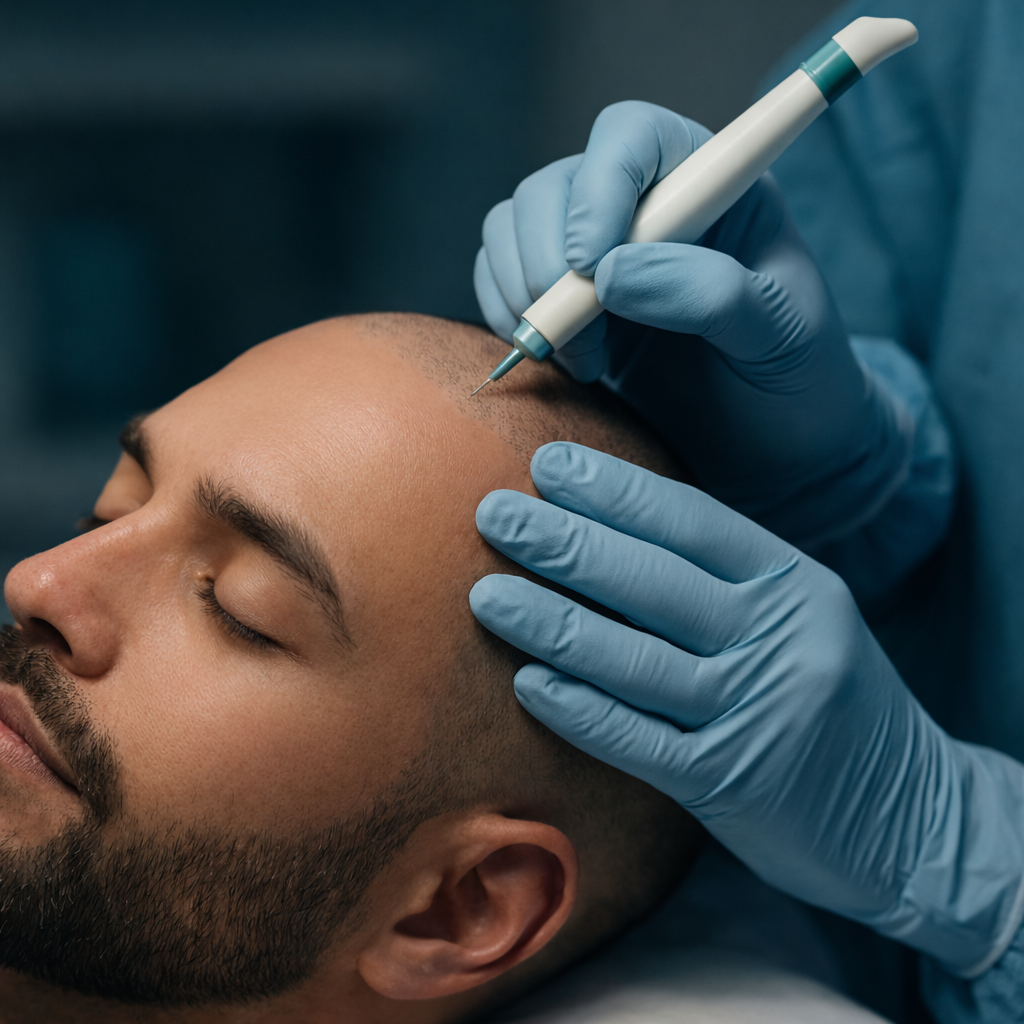
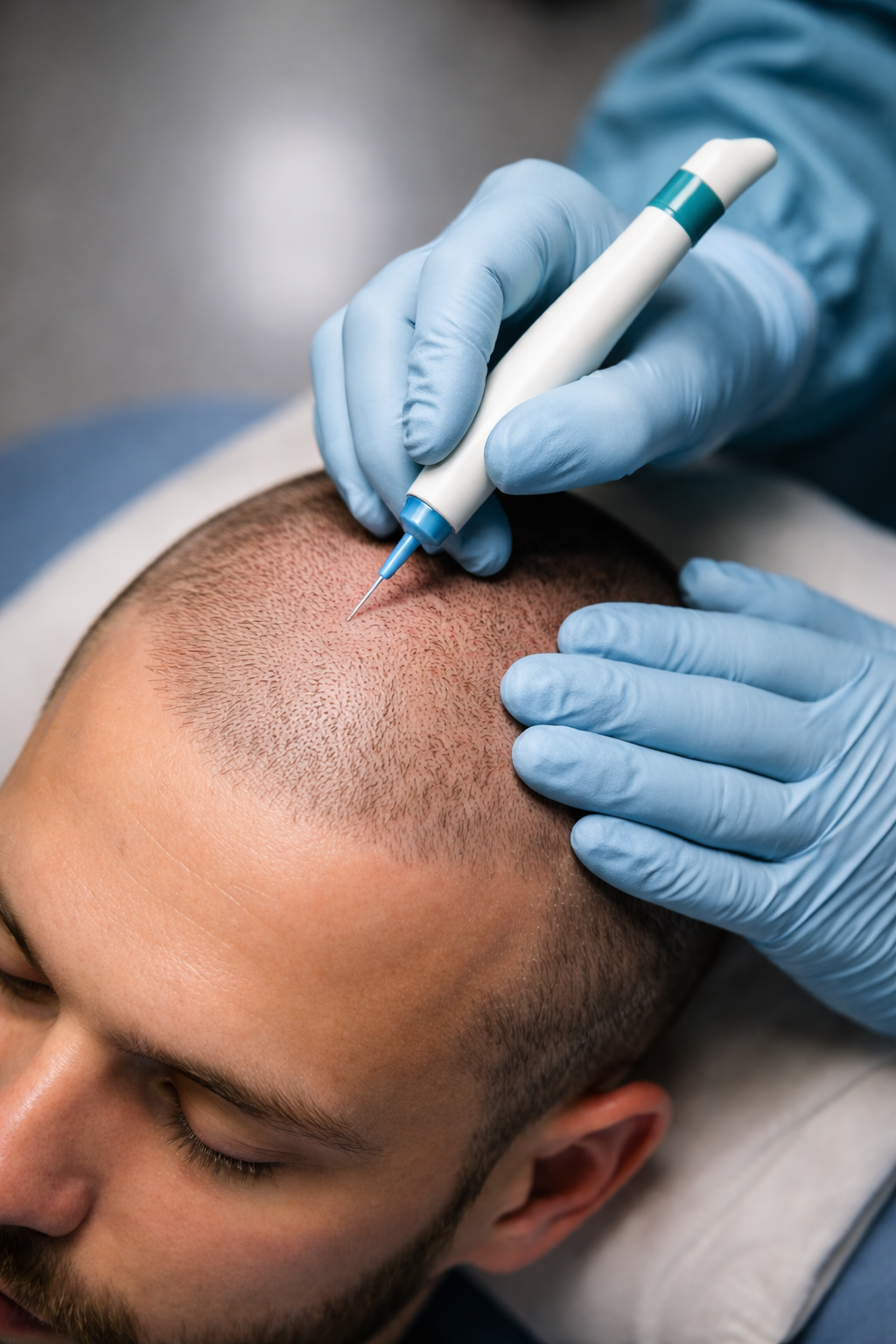
Hair Transplant Methods
Hair Transplant Frequently Asked Questions
-
Hair transplant procedures are performed under local anesthesia, so you won’t feel pain during the procedure. Some mild discomfort, tightness, or soreness may occur afterward, but this is temporary and typically well managed with medication.
-
Hair transplants are considered a permanent solution. The transplanted hair follicles are taken from areas resistant to hair loss, allowing them to continue growing naturally for many years — often for a lifetime.
-
Initial shedding is normal within the first few weeks. New hair growth usually begins around 3 to 4 months, with visible improvement by 6 months. Final results typically appear between 12 and 18 months.
-
Yes. When performed by experienced doctors using modern techniques, hair transplants look completely natural. Hairline design, angle, and density are carefully planned to match your natural growth pattern.
-
Yes, it is extremely safe when you work with JCI-accredited hospitals and doctor-led surgical teams. GoodLife Atlas exclusively partners with top-tier Turkish clinics that meet strict U.S. safety standards, providing Scottsdale patients with peace of mind and local support.
-
A typical hair transplant trip requires a 3 to 4-day stay. This includes your arrival, the procedure day, a follow-up wash, and a final doctor’s check-up before you fly back to Arizona
-
A hair transplant restores hair in treated areas, but it does not stop natural hair loss in untreated areas. Your doctor may recommend preventative treatments or medications to help maintain long-term results.
-
Good candidates typically have sufficient donor hair, stable hair loss patterns, and good overall health. A consultation is necessary to determine the best method and realistic expectations.
-
The best method depends on your hair type, degree of hair loss, donor area, and desired density. During your consultation, we help match you with the most suitable technique based on your goals and anatomy.
-
It begins with a free consultation. We review your photos, discuss your goals, and create a personalized plan before you travel.